


The New Role of Wellness in Hotels
For many years, wellness in hotels was largely seen as a supplementary service, typically limited to a spa, fitness centre and a few treatment rooms. Today, wellness influences the length of stay, guest experience, F&B offerings and brand positioning.
This shift is closely linked to changing guest expectations. McKinsey’s 2025 Future of Wellness report shows that Gen Z and Millennials increasingly view wellness as a daily, personalised part of their lifestyle. Although the research focuses on general consumer trends, its findings point to the importance of developing programmes tailored to different guest needs in the hospitality sector.
As guest expectations evolve, hotels are expanding the range of services they offer. Preventive healthcare and longevity, beauty, mental health and wellbeing, nutrition, sleep quality and recovery are becoming increasingly important. In response, hotels are introducing personalised programmes with measurable outcomes alongside their traditional spa services.
From Spa Facilities to Wellness Programmes
Traditionally, wellness services were mostly centred around spa facilities. Today, different approaches are emerging to serve a wider range of guest profiles and markets.
At one end of the spectrum is the traditional wellness model, where spa treatments, fitness, saunas, massages and beauty services form the core offering. Wellness supports the overall stay and is generally managed as a separate department with its own revenue streams.
In the middle is the integrated, programme-led wellness model. Sleep, nutrition, movement, recovery and mindfulness are incorporated throughout the guest experience. Rather than offering individual massages or treatments, hotels provide multi-day programmes designed around specific goals and tailored to each guest’s needs. Yoga, Pilates and personal training support these programmes, while F&B services are adapted to their nutritional objectives.
At the other end of the spectrum is medical wellness. In this model, accommodation, F&B and healthcare services are planned as parts of the same programme. Doctors, diagnostics, medical consultations and personalised treatments are incorporated into the offering. Longevity programmes, which focus on extending the years spent in good health, are also a key part of this approach. Properties specialising in medical wellness can be developed as dedicated centres combining accommodation with healthcare services.
From Specialist Wellness Brands to Hotel Partnerships
This transformation is supporting the growth of specialist wellness brands. Global hotel groups are also strengthening their position in the market through partnerships with companies specialising in wellness and healthcare.
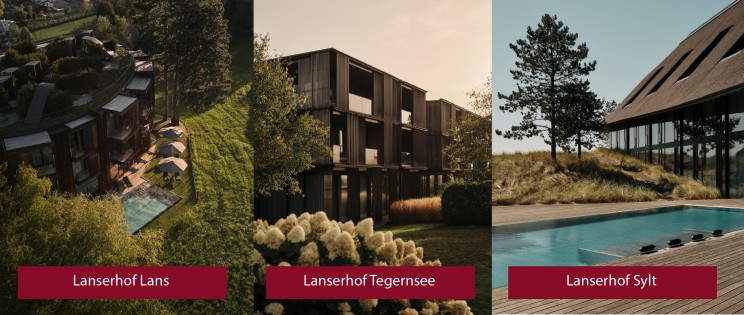
Lanserhof is one example of this approach. At its properties in Lans, Austria, and Tegernsee and Sylt, Germany, the brand offers personalised, doctor-led medical wellness programmes. Its approach combines diagnostics, nutrition, movement and ongoing monitoring. The focus of the programmes varies by property. Tegernsee, for example, offers programmes addressing neurological health, while Sylt provides sleep assessments and programmes incorporating neurofeedback.
The Lanserhof Classic programme brings together diagnostics, nutrition, movement and recovery under medical supervision. Longevity programmes are also available in packages of varying durations. At these properties, wellness programmes play an important role in both the guest’s decision to visit and the length of their stay.
Chenot offers its services through three distinct formats:Chenot Palace, Chenot Espace and Chenot Spa.
Chenot Palace consists of standalone properties specialising in comprehensive medical wellness programmes, where accommodation is planned around the programme itself. Chenot Espace brings this expertise into existing luxury hotels. L’Albereta in Italy and One&Only Portonovi in Montenegro are examples of this model. Chenot Spa, meanwhile, offers shorter programmes and treatments at Selman Marrakech.
Across these formats, nutrition, movement and personalised treatments are combined in different ways. The scope of medical assessments and diagnostics also varies according to the property and programme. This allows Chenot to operate both standalone wellness destinations and facilities within other hotels.
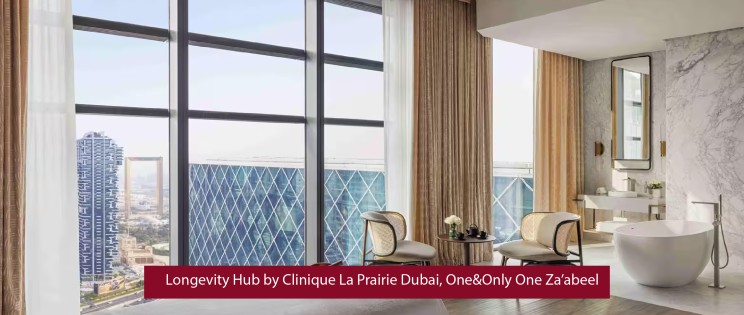
Clinique La Prairie, known for its longevity clinic in Montreux, Switzerland, is extending its expertise to other hotels through its Longevity Hub concept. One&Only One Za’abeel in Dubai and The St. Regis Marsa Arabia in Doha are examples of these partnerships. These centres offer personalised programmes supporting health, movement and overall wellbeing.
Global Hotel Brands Are Also Expanding Their Wellness Offerings
Global hotel brands are increasingly complementing their resort experiences with comprehensive wellness programmes. One&Only provides examples of this approach through its partnerships with Chenot and Clinique La Prairie, while Six Senses has developed its own wellness programmes.
Six Senses Crans-Montana is one such example. While maintaining its luxury resort experience, the property offers a range of treatments and technologies within its 2,000 m² wellness facilities, including sleep monitoring, a Biohacking Recovery Lounge, CellGym and flotation therapy.
Its Sleep, Detox and Fitness programmes are available in three-, five- or seven-day options, with accommodation and meals priced separately. This allows guests to add a wellness programme of their choice to their resort stay.
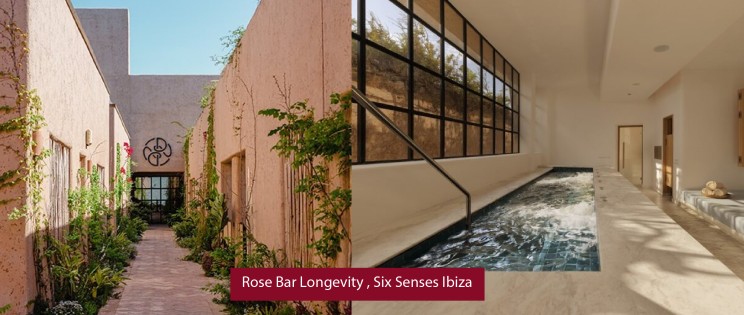
RoseBar at Six Senses Ibiza focuses on longevity programmes. Diagnostics, nutritional consultations and personalised programmes are delivered with the support of healthcare professionals. Facilities and treatments include hyperbaric chambers, cryotherapy, photobiomodulation and IV therapies. Guests can therefore take part in longevity programmes as part of their resort stay.
Key Elements of Wellness Programmes
- Personalised Programmes: Alongside standard spa menus, hotels are increasingly offering programmes tailored to individual guest needs. Depending on the programme, these may combine medical consultations, laboratory assessments, massages, reflexology, nutritional plans, group exercise sessions and follow-up consultations.
- Sleep and Recovery: Sleep quality, recovery and physical performance are becoming more prominent in wellness programmes. Personal sleep assessments, neurofeedback, breathing exercises and, where necessary, medical monitoring can all form part of the offering. The guestroom environment and sleeping habits are also considered within the programme.
- Longevity: Longevity focuses on preventive healthcare and healthy ageing. Programmes combine diagnostics, biomarker monitoring, personalised treatments, nutrition and movement. Depending on their scope, teams may include doctors, nutritionists, therapists and personal trainers, while partnerships with external healthcare providers can support more specialised services.
- Nutrition and Food Sourcing: F&B services bring the objectives of wellness programmes into the daily guest experience. From breakfast and main meals to snacks throughout the day, menus can be planned around individual nutritional needs. Seasonal fruit and vegetables, fresh ingredients and minimally processed foods form the basis of balanced, varied and enjoyable menus. This approach also makes the supply chain important. Working with reliable local producers, knowing where ingredients come from and ensuring close coordination between purchasing and kitchen teams all contribute to the quality of the offering.
- Beauty and Movement: Beauty programmes can combine skin analysis with assessments of nutrition and sleeping habits. Some properties also offer dermatology and aesthetic medicine services. Yoga, Pilates and personal training support the broader health objectives of these programmes.
Choosing the Right Wellness Model
Programme-led wellness can influence both the length of stay and pricing strategies. Programmes lasting several days or longer can determine how long guests stay at a property. Accommodation, wellness programmes and F&B services are planned together, although pricing models vary between properties. Follow-up consultations and repeat programmes can also help maintain guest relationships and encourage future stays.
Not every hotel project needs to become a medical clinic. Investment in medical wellness should reflect the needs of the destination and its target guests. Wellness investments can therefore be considered through three different approaches:
- Complementary Wellness: Offers spa, fitness, treatments and thermal facilities. It appeals to leisure guests who see wellness as an additional part of their holiday experience and primarily supports the accommodation offering.
- Integrated, Programme-Led Wellness: Provides multi-day programmes incorporating personal assessments, sleep, nutrition, movement and recovery. It appeals to guests interested in health, physical performance and wellbeing. Wellness becomes a reason to choose the hotel.
- Medical Wellness: Combines medical assessments, diagnostics, biomarker analysis and personalised programmes. It targets guests seeking preventive healthcare, healthy ageing and longevity programmes. The programme itself can become the primary reason for the stay.
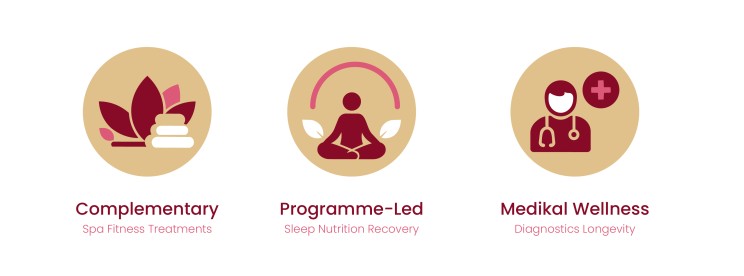
The complementary wellness model can operate with spa, fitness and treatment areas. A programme-led approach requires greater emphasis on assessment areas, movement studios, recovery treatments and F&B services aligned with programme objectives. In medical wellness, consultation rooms, diagnostic facilities, laboratory partnerships and treatment areas are planned according to the scope of the programmes.
The objective is to select a wellness model that matches the target guest, destination, expected length of stay and brand positioning. When planned well, wellness can move beyond being a supporting hotel service to becoming one of the reasons guests choose a property.
News from Petra
Founded in 2022 by Emrullah Akçakaya, Tassos Kotzanastassis, Bilge Turcan and Didem Erendil, Petra HM has reached 4,000 rooms in its portfolio in its fourth year.
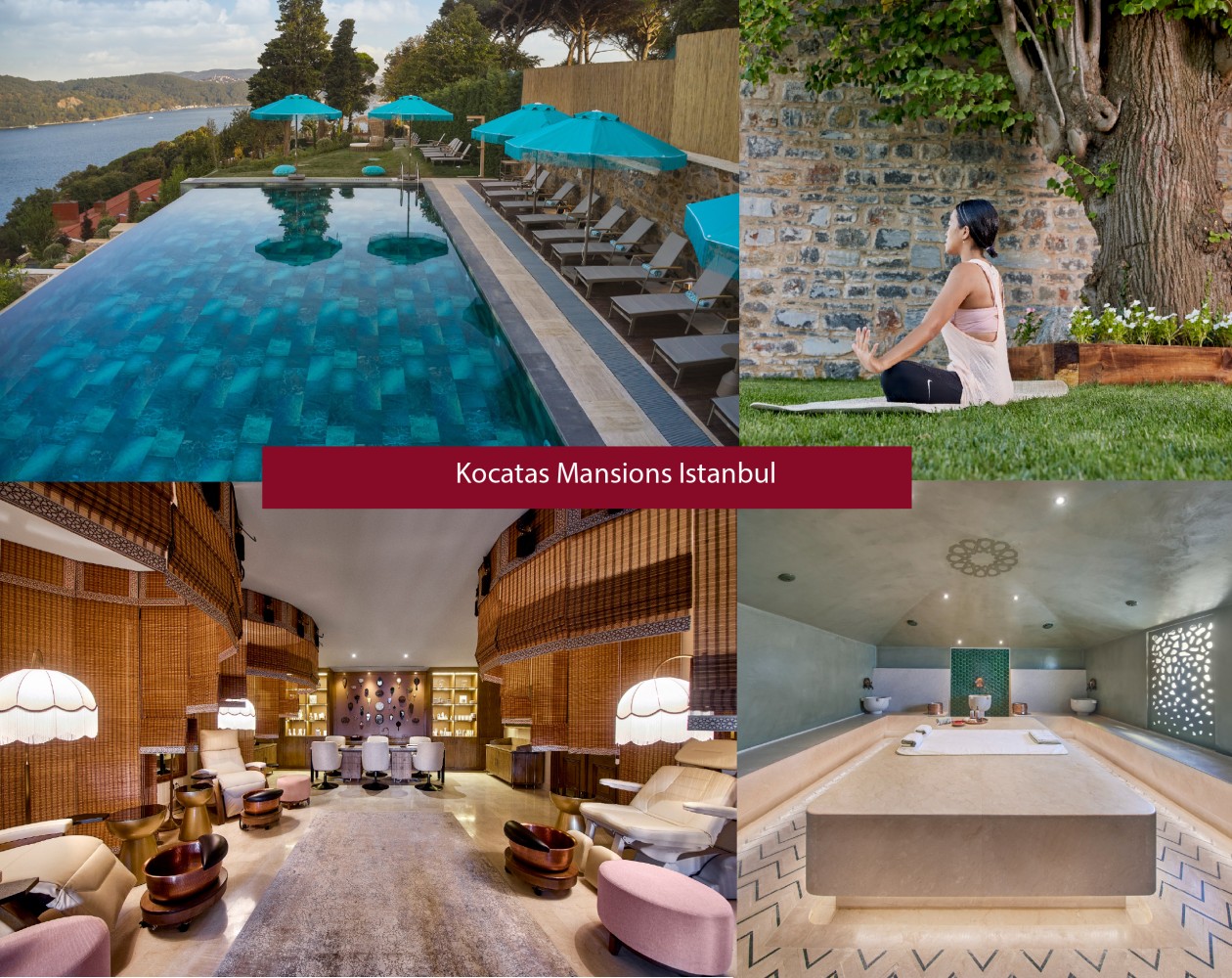
Kocataş Mansions Istanbul, where Petra HM has been appointed as asset manager, offers a boutique luxury accommodation experience with 43 rooms and suites overlooking the Bosphorus. Located in a historic complex, the spa features a traditional Turkish hammam, massage and treatment rooms, a sauna and a steam room. The property’s wellness facilities complement its distinctive accommodation experience on the shores of the Bosphorus.

One Response